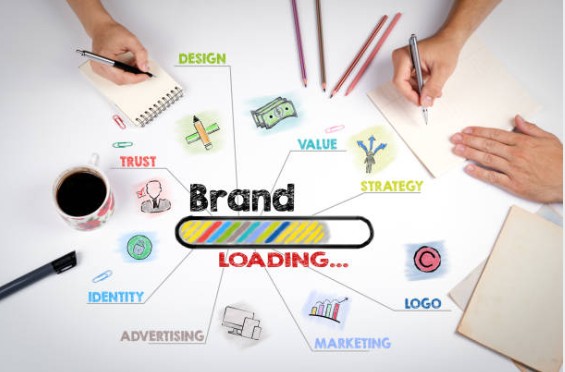
Branding continues to evolve rapidly as businesses adapt to changing customer expectations, digital technologies, and competitive online markets. In 2026, branding is no longer limited to logos or visual identity alone; it has become a complete customer experience that combines design, technology, personalization, trust, and digital engagement. One of the biggest branding trends in 2026 is the rise of authentic and human-centered branding, where businesses focus on building genuine relationships with customers through transparency, storytelling, and meaningful communication. Customers today prefer brands that feel relatable, trustworthy, and socially aware rather than companies focused only on sales. Businesses are increasingly using personalized content, customer-focused messaging, and emotional storytelling to create stronger connections with their audience. Another major trend is AI-driven branding, where artificial intelligence helps businesses understand customer behavior, automate marketing campaigns, personalize user experiences, and generate targeted content more efficiently. AI tools are transforming how brands interact with customers through chatbots, predictive analytics, personalized recommendations, and automated customer support systems.
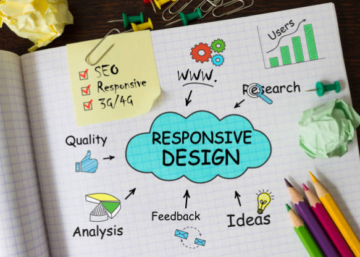
Visual branding is also becoming more modern and minimalistic in 2026, with businesses adopting clean website layouts, simple logos, bold typography, immersive videos, and mobile-first designs to create better user experiences. Since most users access brands through smartphones and social media platforms, responsive and visually optimized branding has become essential for customer engagement. Video content continues to dominate branding strategies, with short-form videos, reels, behind-the-scenes content, live streaming, and interactive media helping brands connect with audiences more effectively. Social media branding is another major trend, as platforms like Instagram, LinkedIn, YouTube, and X play a critical role in shaping brand identity and customer perception. Businesses are focusing on consistent branding across websites, social media, advertisements, and digital platforms to maintain a strong and recognizable online presence.

Creativity, Consistency, and Technology Drive Modern Branding.